


African Black Soap: A Holistic Approach to Skincare and Wellness
In the realm of natural skincare, African Black Soap holds a place of reverence and mystique. Originating from West Africa, particularly in regions like Ghana and Nigeria, this soap has transcended its traditional boundaries to become a global phenomenon in holistic skincare and wellness. African Black Soap, known for its distinctive color and composition, is not just a cleansing agent but a comprehensive skincare solution that harmonizes with nature’s rhythm to heal, protect, and nourish the skin.
The Roots of Wellness
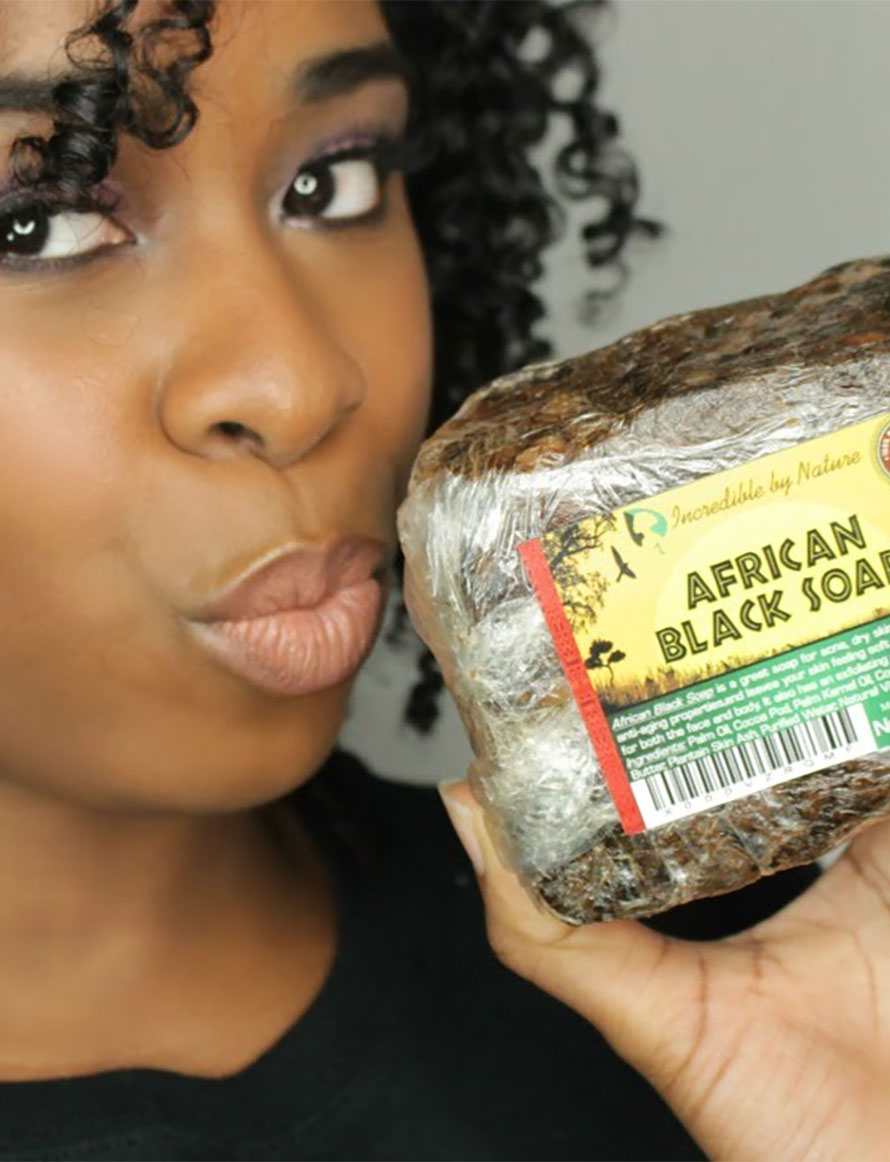
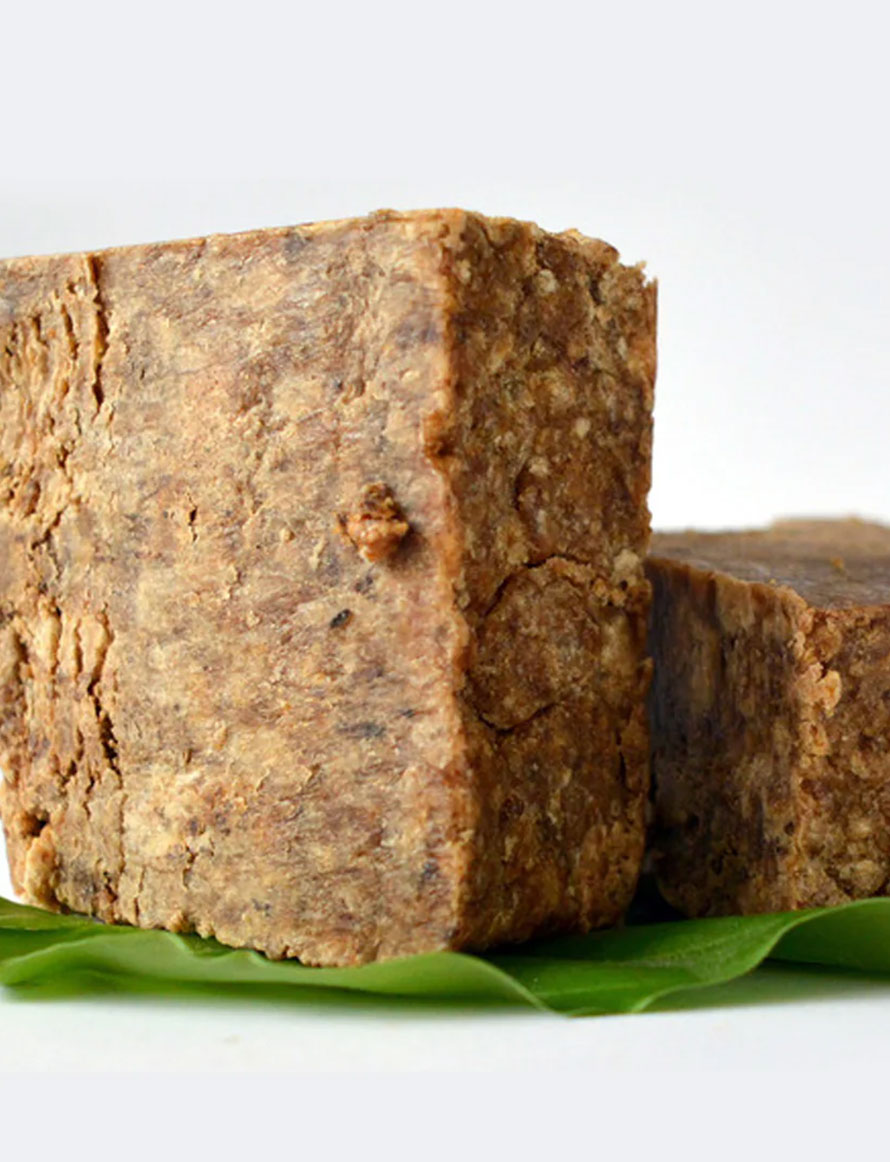
African Black Soap, traditionally known as ‘Ose Dudu’, is made from the ashes of locally harvested plants and barks, such as plantain, cocoa pods, palm tree leaves, and shea tree bark. This unique blend is then mixed with various oils, like coconut oil, palm oil, or shea butter, giving the soap its moisturizing properties. This centuries-old recipe encapsulates the essence of the African pharmacopeia, leveraging the natural antibacterial and antifungal properties of its ingredients to offer a gentle yet effective cleansing experience.

More Than Just Cleansing
The holistic benefits of African Black Soap extend far beyond its cleansing capabilities. It is renowned for its ability to soothe irritation, making it ideal for those suffering from eczema, psoriasis, and other skin conditions. The natural ingredients found in the soap help in calming inflamed skin, reducing redness, and easing the discomfort associated with skin irritations.
Moreover, African Black Soap is packed with natural vitamins, minerals, and antioxidants, promoting skin rejuvenation and cellular repair. This makes it an excellent choice for combating acne, as it not only clears the skin of impurities but also supports the healing of scars and blemishes. Its natural exfoliating properties help in removing dead skin cells, revealing a brighter, more radiant complexion.
Sustainability and Ethical Production
One of the most compelling aspects of African Black Soap is its sustainability and the ethical practices surrounding its production. The soap is traditionally handcrafted by women in West African communities, providing them with a source of income and empowerment. This practice promotes fair trade and supports local economies, ensuring that the benefits of its global popularity are felt by those who have preserved its traditions through generations.
A Ritual of Self-Care
Integrating African Black Soap into one’s skincare routine is not just about achieving clearer skin; it’s about adopting a more mindful approach to beauty and wellness. It invites individuals to slow down and engage in a ritual of self-care that is grounded in respect for the body and the environment. The act of using the soap becomes a moment of connection with the earth and its healing capabilities, fostering a sense of wellness that is both physical and spiritual.
Embracing Holistic Beauty
In a world where synthetic ingredients and quick fixes often take precedence, African Black Soap stands out as a testament to the power of natural remedies. Its ability to nurture the skin while respecting the environment and promoting ethical practices makes it a beacon of holistic health and beauty. By choosing African Black Soap, individuals not only invest in their skin’s health but also embrace a philosophy of wellness that is holistic, sustainable, and deeply rooted in African heritage. In this way, African Black Soap is not just a skincare product; it is a symbol of a holistic approach to wellness that honors the body, the community, and the planet.